China, Russia veto scaled-back Hormuz resolution at UN Security Council
The vote came hours before the US deadline for Iran to reopen the global chokepoint.


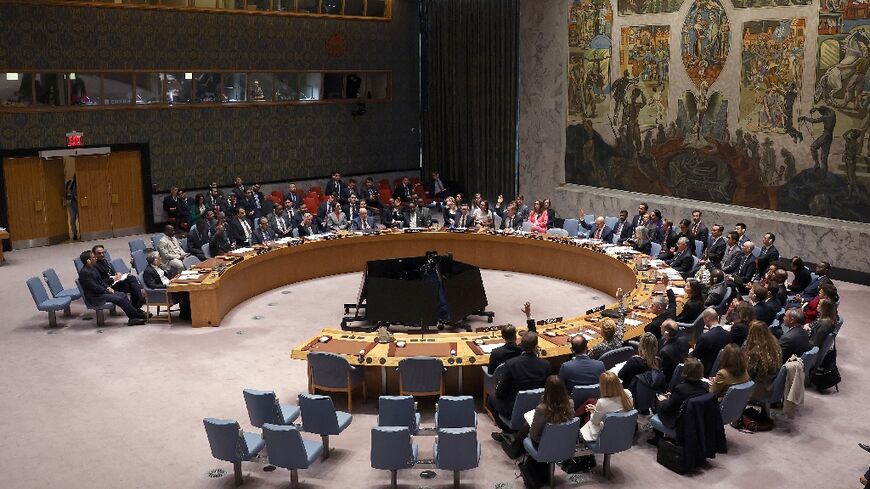
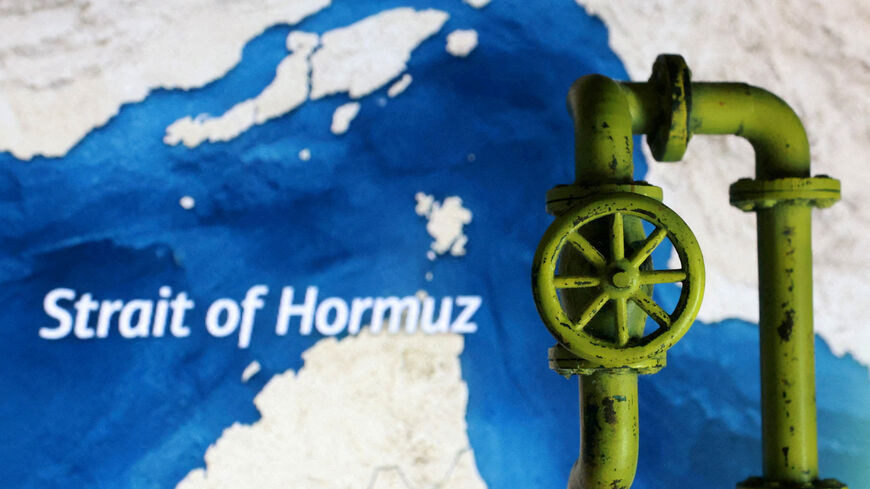
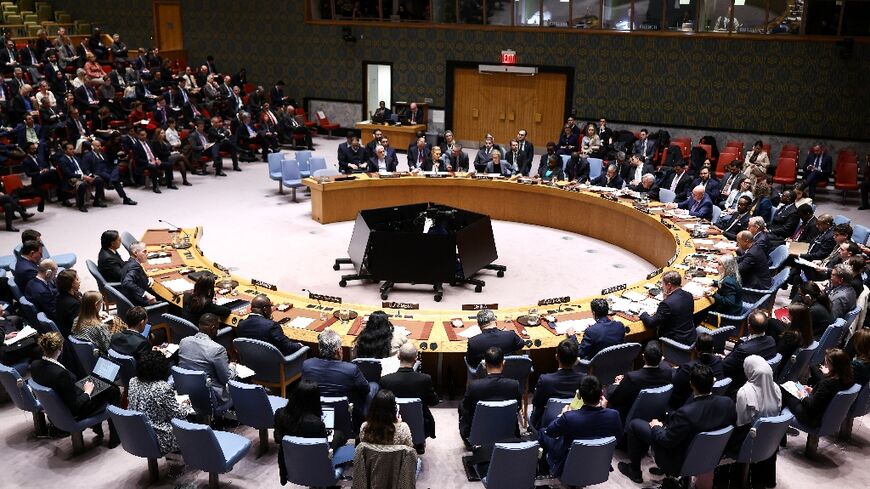
The UN Security Council on Tuesday failed to adopt a Bahrain-led measure aimed at reopening the Strait of Hormuz, with China and Russia blocking a watered-down version of a resolution that initially authorized the use of force.
Bahrain's Foreign Minister Abdullatif bin Rashid al-Zayani said the resolution was intended as "a step toward a permanent solution that will ensure navigational freedom in the Strait of Hormuz."
“Failing to adopt this resolution sends the wrong signal to the world,” Zayani said.
There were 11 votes in favor, including Bahrain and permanent members the United States, France and the United Kingdom, with abstentions from Colombia and Pakistan. Democratic Republic of the Congo, Denmark, Greece, Latvia, Liberia, Panama and Somalia also voted to pass the resolution.
The vote came hours before President Donald Trump’s deadline for Iran to reopen the strait or endure strikes on its civilian infrastructure. He warned in a post on Truth Social Tuesday morning, “A whole civilization will die tonight," if no deal is reached.
In remarks following the vote, US Ambassador to the United Nations Mike Waltz accused Moscow and China of backing “a regime that seeks to intimidate the Gulf into submission.”
“I commend Bahrain and everyone who voted with this resolution for saying enough is enough,” Waltz said.
The failed text “strongly encourages” member states to “coordinate efforts, defensive in nature, commensurate to the circumstances,” to ensure freedom of navigation in the Strait of Hormuz. It also reaffirmed the rights of member states “to defend their vessels from attacks and provocations," in accordance with international law.
Russia’s envoy, Vasily Nebenzya, described the resolution as “unbalanced, inaccurate and confrontational” for framing Iran as the sole source of the region’s destabilization and threats to maritime security.
"The adoption of such a one-sided resolution would undermine any prospect for the resumption of negotiations for the purposes of resolving the crisis," Nebenzya told the council.
Iran has effectively blockaded the strait since the United States and Israel launched the war Feb. 28, rattling financial markets while driving up the cost of oil. A limited number of vessels linked to China, Russia, India, Pakistan and other “friendly” countries have since been permitted to cross the strait, which typically carries around one-fifth of the world’s oil. Trump has criticized US allies for not deploying warships to protect the vital strait, while also claiming it will open up “naturally” when the war ends.
Tuesday’s resolution was drafted by Bahrain, which holds the rotating presidency of the Security Council, in coordination with Gulf Cooperation Council member states and Jordan.
It was heavily watered down amid opposition among council members, including veto-wielding countries France, China and Russia, who were concerned about the resolution’s scope. The original version called for member states to use “all necessary means” to unblock the strait and invoked the UN Charter’s Chapter Seven, which authorizes the council to approve actions including sanctions and the use of force.
Daniel Forti, head of UN Affairs at the International Crisis Group, said China and Russia saw the resolution “as too escalatory and not capturing the need for impartial and consistent diplomacy.”
“They argued that for all of the good faith negotiations Bahrain and its GCC allies engaged with, the text did not capture that core essence and placed all of the blame on Iran,” Forti told Al-Monitor.
The two Iranian allies are expected to submit a counterproposal broadly calling for a cessation of hostilities and a return to diplomacy.
By a vote of 13-0, the Security Council passed a separate Bahrain-led resolution last month that condemned Iran’s “egregious attacks” on its Gulf neighbors. Moscow and Beijing abstained from the vote.
This breaking story has been updated.